Evidence-based framework
Neuropsychological Behavioralism (NPB)
An evidence-based, Piagetian-grounded framework for brain-based assessment and personalized intervention. NPB starts from brain function and development, not category-first labels, to support more precise clinical understanding across children, adolescents, and adults.
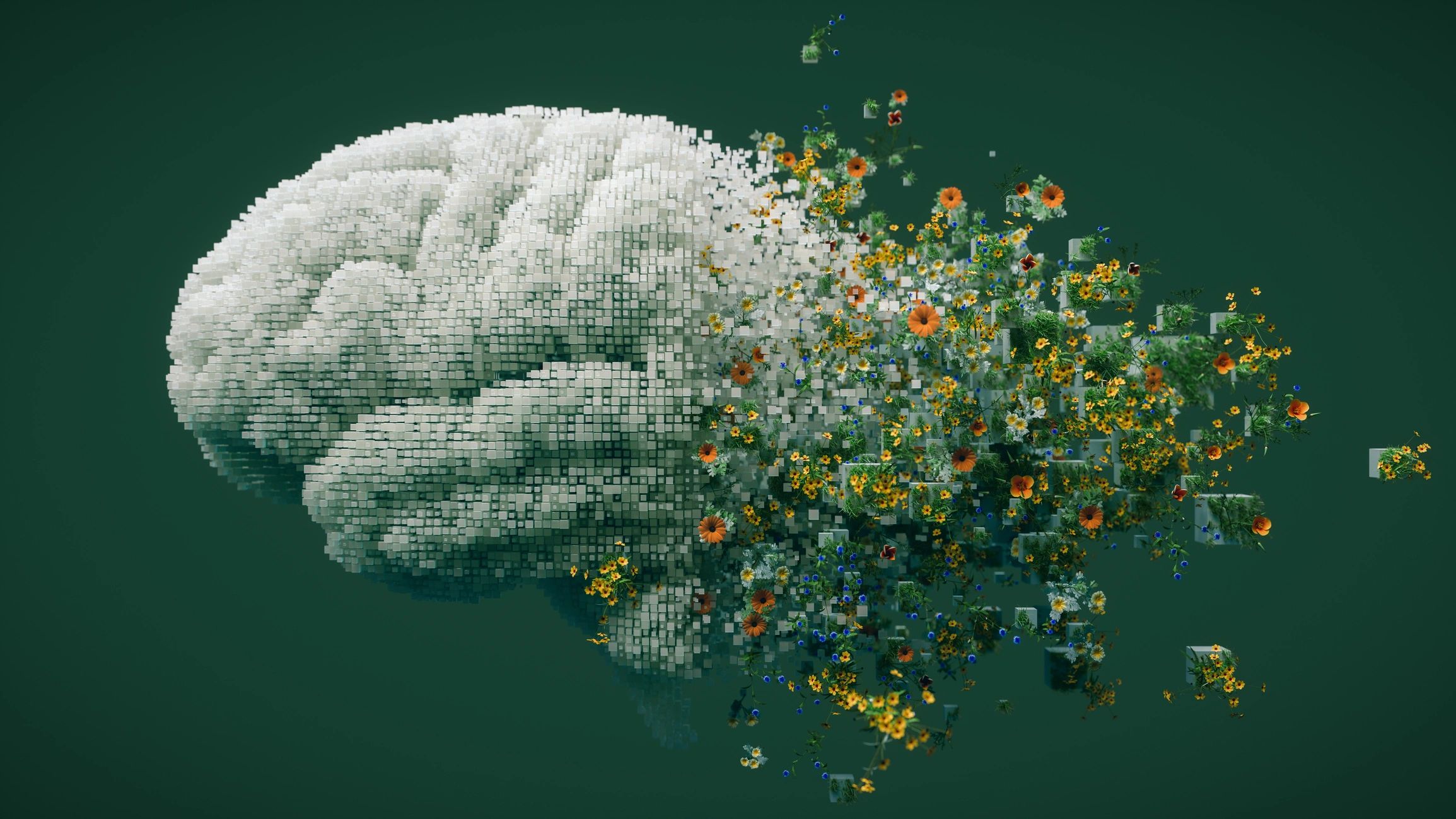
A framework built on development
NPB integrates neuropsychological science, Piagetian development, and bottom-up clinical reasoning into a structured model for assessment and intervention planning. It treats bodily sensations, affective signals, and functional patterns as meaningful developmental communication rather than noise, helping clinicians reframe symptoms through region-specific brain function and developmental history.
Framework
How NPB organizes clinical understanding
Structured assessment
Organize presenting concerns through a brain-based framework that prioritizes function, regulation, and developmental meaning.
History and interview
Use detailed history-taking and interview data to identify patterns that category-first models often miss.
Regional analysis
Map observable difficulties to likely brain-region functions to guide clearer formulation and intervention choices.
Developmental mapping
Connect current symptoms to developmental pathways, including Piagetian and neo-Piagetian insights across the lifespan.
Personalized protocols
Build interventions around the person’s functional profile rather than relying on broad diagnostic grouping alone.
EIT application
Apply the framework clinically through Emotional Integrative Therapy to support regulation, integration, and growth.
Clinical approach
Why NPB differs
Beyond labels
NPB reframes clinical work by beginning with function and development instead of starting from diagnostic categories.
Affective dimension
It restores Piaget’s affective dimension, recognizing emotion and bodily sensation as central to developmental organization.
Bottom-up logic
The model emphasizes bottom-up interpretation of symptoms, linking regulation, sensation, and cognition in a coherent pathway.
Lifespan relevance
Contemporary and neo-Piagetian research extends these ideas into school-age, adolescent, and adult clinical populations.
From brain function to intervention
NPB supports a clear pathway from assessment to personalized intervention planning, making complex clinical information easier to organize and apply.
01
Assess function
Begin with observable regulation, sensation, affect, cognition, and behavior to identify functional patterns.
02
Map development
Relate findings to developmental stages, including the sensorimotor substages and later developmental extensions.
Over a decade of clinical application through Emotional Integrative Therapy informs the practical use of the NPB framework.
03
Identify pathways
Link brain-region function to symptoms, developmental meaning, and likely therapeutic priorities.
04
Personalize intervention
Design interventions that fit the person’s functional profile, developmental level, and clinical context.
Evidence
Grounded in research and practice
NPB is presented as an academically rigorous framework informed by developmental psychology, neuropsychological science, and more than a decade of clinical application through EIT.
Its broader evidence conversation includes Piaget’s original work, Lane and Schwartz, Castrén and Hen, Porges, Perry, Six Core Strengths, and Dr. Filion’s Object Concepts framework, with a dedicated references area for deeper study.

Next step
Explore the framework in depth
Learn more about the theory behind NPB, its clinical applications through Emotional Integrative Therapy, and the research base supporting its developmental model.